
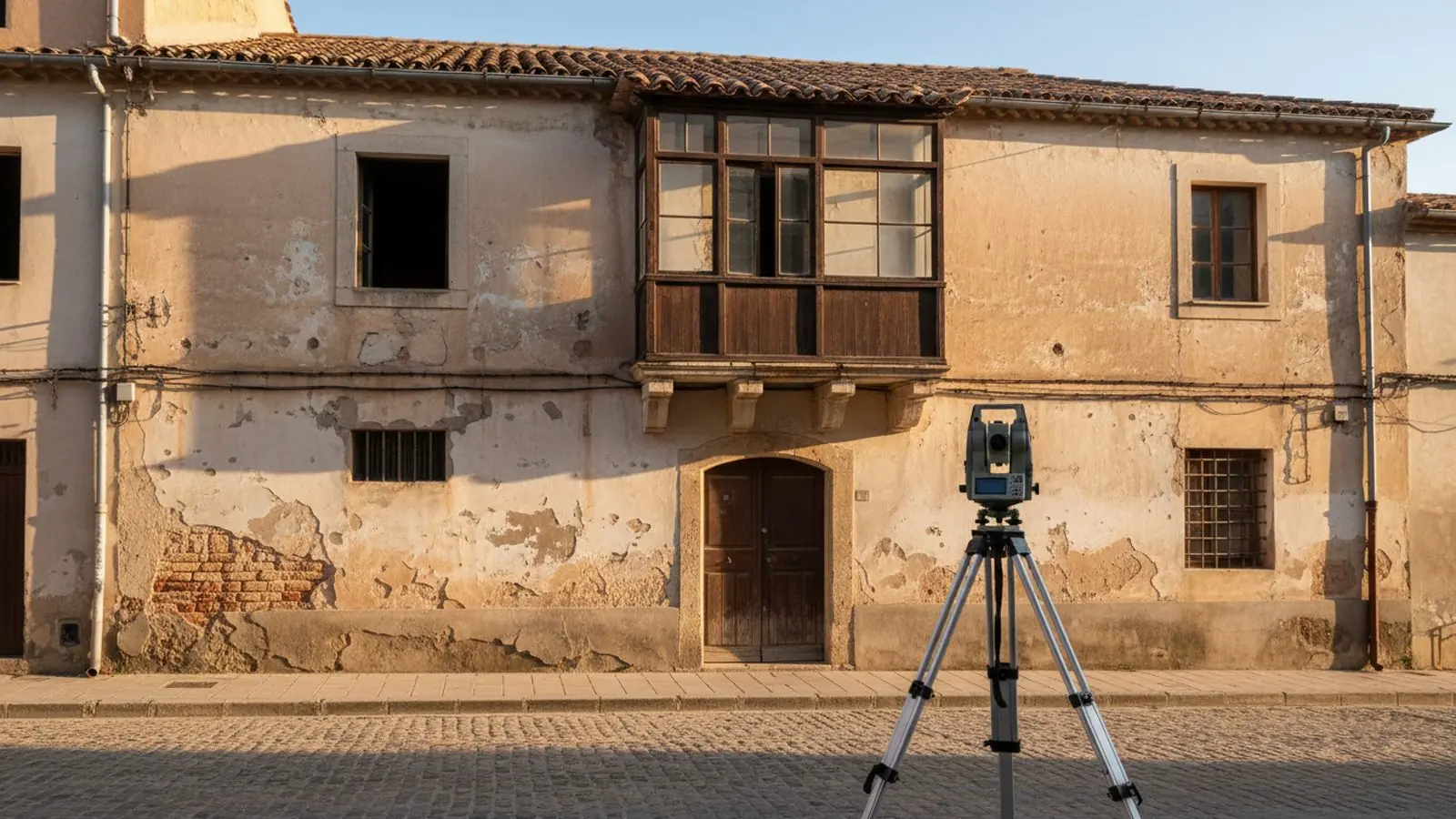
What Is an Unauthorised Construction?
An unauthorised construction is any structure or change of use that was built without the required building permit, or in violation of the permit's specifications. This includes additions, extensions, internal reorganisations, and even change of use (for instance, converting a residence into an office) without proper approval.
In everyday use these are often called illegal building works, and English-language property searches usually use that phrase. The Greek legal term is αυθαίρετο, which this guide renders throughout as unauthorised construction. The two mean the same thing.
At the time of writing, Greek law categorises unauthorised work to guide municipalities and engineers in managing it. It is not uncommon in the Greek construction landscape, particularly in areas with a history of informal building.
Categories of Unauthorised Buildings Under Law 4495/2017
Law 4495/2017 establishes five categories of unauthorised constructions, each with distinct criteria and consequences:
The engineer reviews the approved drawings, the existing condition, the property documents, the date and evidence of the work, the location and any applicable restrictions before confirming the category and route.
Category 1: Cases meeting the category criteria
This category covers cases that meet its statutory criteria under Law 4495/2017. The route and required evidence depend on the property.
Category 2: Cases meeting the category criteria
This category covers cases that meet its statutory criteria and require the corresponding technical review and file.
Category 3: Cases meeting the category criteria
This category covers cases that meet its statutory criteria. An engineer reviews the evidence, studies and available route.
Category 4: Cases meeting the category criteria
This category covers cases that meet its statutory criteria, including the location, use and characteristics of the property.
Category 5: Cases outside Categories 1 to 4
The route and available response depend on the statutory criteria and the evidence for the specific property. An engineer confirms the position.
Regularisation vs Legalisation: What's the Difference?
Two terms often confused, with distinct legal outcomes:
Regularisation
Regularisation is the formal declaration of unauthorised work by an engineer through the TEE/YPEN electronic system. It may suspend or reduce enforcement action where the law provides. It does not make the structure fully compliant with current law.
Legalisation
Legalisation is the issuance of a building permit where the unauthorised work can meet the applicable planning and structural requirements. The available route must be checked against the current law and the specific property.
In many cases, a structure can be regularised but not legalised, especially if it conflicts with zoning requirements or building codes.
How to Declare an Unauthorised Building: Step by Step
Step 1: Engage a Licensed Engineer
Start by hiring a licensed engineer who is qualified to prepare unauthorised-work declarations. The engineer will inspect the structure, classify it, and prepare the necessary documentation.
Step 2: Technical Documentation and Photography
Your engineer will compile a detailed report with photographs, drawings, and a description of the unauthorised work. They will also gather property deeds and any available information about when the work was done.
Step 3: Classification and Assessment
Based on the evidence, the engineer classifies the work under one of the five categories. This determines the next steps and any associated penalties.
Step 4: Submit the Declaration
The engineer submits the declaration electronically through the TEE/YPEN system and manages the required file actions.
Step 5: Payment of Any Fine (If Required)
If a fine applies, the engineer calculates it using the relevant property and legal criteria and explains the payment terms. An engineer confirms the position for the specific property.
Step 6: Official Registration
Once the declaration is accepted and any fine is paid where required, the electronic file is updated under the applicable procedure. An engineer confirms the consequences for the specific property.
What Determines the Fine?
Fines for unauthorised work are not fixed. Multiple factors influence the amount:
- Category: The category and its statutory criteria affect the route and calculation.
- Size: The area of the unauthorised construction directly affects the fine. Larger constructions result in higher penalties.
- Location: Work in central urban zones typically carries higher fines than work in suburban or rural areas.
- Age: Newer unauthorised work generally incurs higher fines. Older work may have lower fines due to partial statute limitations.
- Additional Factors: Local property values, infrastructure availability, and market conditions may influence the calculation.
Regularisation does not eliminate the fine but may allow for graduated payment. An exact figure requires evaluation by your engineer and the local authority.
Current Deadlines and Extensions
Deadlines for declaring unauthorised buildings change with the applicable Greek legal framework and the type of case. An engineer confirms the position for the specific property.
However, an engineer confirms the current deadline for the specific property before the declaration is submitted.
Unauthorised Constructions and Property Transfer
The presence of unauthorised work affects your ability to sell or transfer a property. If you plan to sell, the buyer must be informed, and this may reduce the property's value or affect the transaction timeline.
Many banks require regularisation or legalisation before granting a mortgage on a property with unauthorised constructions. Before any property transfer, issuing a Building Identity Certificate is advisable. This document reveals unauthorised work and protects both parties by providing a transparent record.
For a wider pre-purchase review, see our property due-diligence guide. If you are planning remedial works, also see the small-scale works guide.
Category 5 Unauthorised Buildings
Category 5 is a distinct statutory category under Law 4495/2017, not a general severity label. The available route or response depends on the statutory criteria and the evidence for the specific property.
An engineer must check whether a declaration or another route is available and what steps follow. An engineer confirms the position for the specific property. The review is based on the evidence.
Working with Premier Construction
Managing unauthorised buildings is technically complex and requires knowledge of Greek regulations and local procedures. Premier Construction assesses and manages regularisation work across Greece, with particular expertise in Attica and sensitive areas.
We offer end-to-end services: structural assessment, study preparation, liaison with municipal authorities, and coordination with legal counsel if needed. Our goal is to simplify the process and minimise your legal and financial exposure.
To learn more about our technical studies service or to discuss your property, contact us today.
Use the checklist for the declaration documents already listed on this page.
Unauthorised construction declaration checklist
Completed: 0/4
- Completed
- Completed
- Completed
- Completed
This checklist is indicative. An engineer confirms what is required for the specific property or project.
Frequently Asked Questions
What is the legalisation of unauthorised buildings?
Regularisation is the process of declaring unauthorised constructions or space-use changes carried out without the required permit. The declaration is submitted by a licensed engineer through the TEE/YPEN electronic system and may be subject to a fine depending on the case.
What is the difference between regularisation and legalisation?
Regularisation is the formal declaration and registration of an unauthorised structure, primarily aimed at suspending further enforcement action. Legalisation is the issuance of a retroactive building permit that brings the structure into full compliance with building codes. Regularisation can occur without legalisation in cases where the structure does not meet current requirements.
How long do I have to declare an unauthorised construction?
Deadlines for declaring unauthorised buildings depend on the current Greek legal framework and the case. An engineer confirms the position for the specific property.
Can I sell a property with unauthorised constructions?
Yes, you can sell a property with unauthorised work, but the buyer must be informed of its existence. Banks often require regularisation before advancing a mortgage on the property. Issuing a Building Identity Certificate before transfer is advisable to prevent future disputes and to provide transparency to the buyer.
How is the fine for unauthorised construction calculated?
The fine depends on several factors: the category of the unauthorised work (1 to 5), its size, the zone (central, suburban, or rural), the age of the construction, and other local criteria. Regularisation does not eliminate the fine but can result in graduated payment terms. Consult your engineer and local authority for exact figures.
What documents do I need to submit for a declaration?
You will need an engineering report, photographs of the unauthorised work, property ownership documents, and information about the construction date if available. Your engineer will prepare the declaration and submit it through the TEE/YPEN electronic system.
Can all unauthorised constructions be legalised?
The route cannot be determined by a general severity label. An engineer checks the criteria under Law 4495/2017, whether declaration or legalisation is available, and the consequences for the specific property.
What happens if I do not declare an unauthorised building?
Undeclared unauthorised work may result in enforcement action, fines, demolition orders, or legal proceedings initiated by the municipality or third parties. Declaring it protects you by suspending such action and creating a legal record of the situation.
Sources: gov.gr · Law 4495/2017 (kodiko.gr)
Written and reviewed by the engineering team at Premier Construction. Last updated: 24 July 2026. This article is for general information only and does not substitute for professional engineering or legal advice on a specific property. Meet our team.