
What is an electronic building identity?
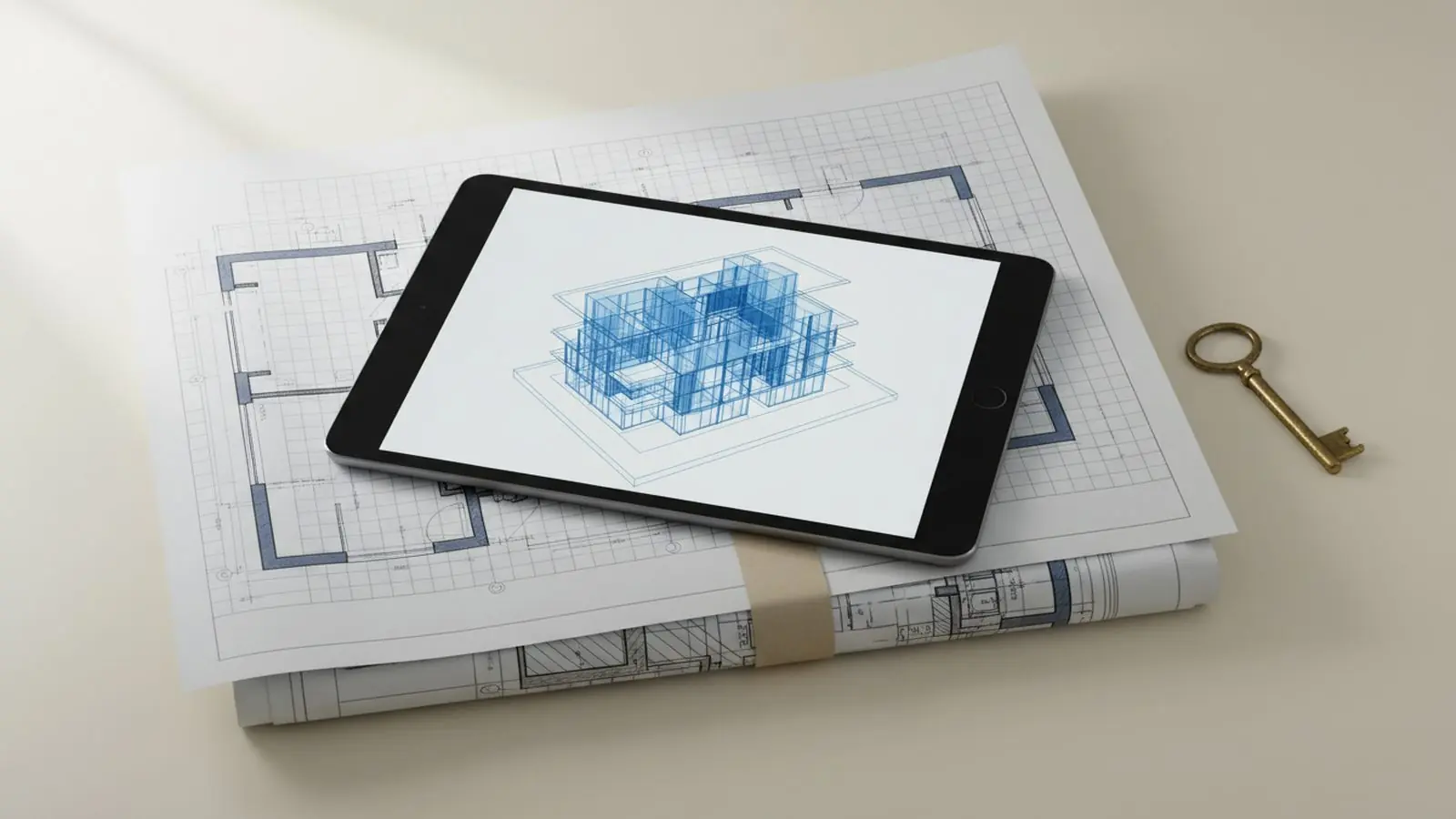
An electronic building identity is a digital folder consolidating all the plans and certificates for a property into one system. It represents a modernisation of Greek property documentation, moving from scattered files held by various authorities and offices to a unified, digitised record accessible through an online platform.
This identity is more than bureaucracy. It provides a legally documented history of the building, its construction approvals, and technical specifications. For the owner, a prospective buyer, or the wider community, this accountability matters. It ensures the property has been built lawfully and that its technical condition is properly recorded.
When is an electronic building identity mandatory?
The electronic building identity is mandatory in two main situations:
- Property transfer: When you sell, gift, or otherwise transfer a property, the electronic building identity must be issued beforehand. This is a condition of the transfer process.
- New building permits: Any new building permit issued as of the date of this article triggers the requirement for an electronic building identity.
Certain property types or regions may have exemptions or different rules. Consult a licensed engineer in Greece to confirm whether your property is affected.
What documents does the file include?
The electronic building identity file brings together a complete set of documents that establish the property and its construction history:
- Building permit: The original permit document and all official approvals from relevant authorities.
- Topographic survey: A detailed plan showing property boundaries in relation to the surrounding area.
- Floor plans: Precise drawings of every level of the building (ground floor, upper floors, roof).
- Energy performance certificate: Documentation proving the building meets energy efficiency regulations.
- Unauthorised construction declarations: If the property has any unauthorised structures, these must be formally declared and included.
- Supporting documents: Depending on the property, additional documents such as subdivision deeds, building completion certificates, or others may be required.
Your licensed engineer will give you the complete list based on your property's specifics.
Use these two checklists to separate the documents you already have from those you need to find.
Documents I already have
Completed: 0/4
- Completed
- Completed
- Completed
- Completed
This checklist is indicative. An engineer confirms what is required for the specific property or project.
Documents to find
Completed: 0/2
- Completed
- Completed
This checklist is indicative. An engineer confirms what is required for the specific property or project.
Who issues it and how?
A licensed engineer issues the electronic building identity. This may be a civil engineer, architect, or other relevant specialist registered with Greece's Technical Chamber (TEE) and authorised to perform this work.
The process follows these steps:
- You provide the engineer with all available building documents and certificates.
- The engineer reviews the documents and identifies any gaps.
- All required documents are collected from relevant authorities or new documents (such as updated plans or certificates) are created.
- The engineer uploads all documents to the TEE's digital platform.
- The engineer issues the completeness certificate, confirming the file is complete and compliant.
Through our technical studies service, we work with licensed engineers who know this process thoroughly.
What is the completeness certificate?
The completeness certificate is a digital document issued by your engineer confirming that the building identity file is complete and meets all legal requirements under Greek law. This certificate is essential for:
- Transferring property ownership (sale or gift)
- Securing a mortgage or loan on the property
- Official property documentation and records
- Participation in auctions or other legal proceedings
The certificate is legally binding and recognised by all public and private institutions in Greece.
Building identity and unauthorised structures
The relationship between electronic building identity and unauthorised constructions is significant. If a property has unauthorised structures, they must be formally declared and included in the file.
At the time of writing, Greek law provides procedures for legalising unauthorised constructions depending on when they were built and other criteria. Legalisation may involve obtaining retroactive permits or using other legitimisation mechanisms. Only after unauthorised structures are properly addressed can the electronic building identity be fully completed.
Building identity and property transfer
The electronic building identity is mandatory when a property changes hands. This means before you sell, gift, or otherwise transfer a property, the building identity must be issued and the completeness certificate obtained.
For a buyer, the electronic building identity is an important safeguard. It proves the property has all required documentation, has lawful building permission, and that any unauthorised work has been declared. This protects both buyer and seller.
For a wider pre-purchase review, see our property due-diligence guide.
How long does it remain valid?
The electronic building identity remains valid as long as no new construction or significant modifications are made to the property. Once you undertake new building work or add an extension, the file must be updated and a fresh completeness certificate issued.
Unlike building permits, the identity file has no specific expiry date. It stays current as long as the property data remains unchanged. If you renovate, add rooms, or make material changes, your engineer will need to update the file to reflect the new status.
Frequently asked questions
What is an electronic building identity in simple terms?
An electronic building identity is a digital folder containing all the plans and certificates for a property. It includes the building permit, topographic survey, floor plans, energy certificate, and declarations of any unauthorised constructions. A licensed engineer collects and verifies these documents, then issues a completeness certificate to confirm the file is legally complete.
When is an electronic building identity mandatory?
The electronic building identity is mandatory when a property is sold, gifted, or transferred to a new owner. It is also required for any new building permit issued. At the time of writing, these are the primary triggers, though specific property types or areas may have exemptions. Contact a licensed engineer in Greece to confirm your situation.
Which documents are needed?
The main documents are: the building permit and approvals, a topographic survey showing property boundaries, floor plans of all levels, an energy performance certificate, and if applicable, declarations of any unauthorised structures. Additional documents may be required depending on the property type. Your engineer will advise you on the complete list.
Who issues the electronic building identity?
A licensed engineer (civil engineer, architect, or other relevant specialist) issues the electronic building identity through Greece's Technical Chamber (TEE) platform. The engineer collects all required documents, verifies their completeness, and submits them to the system, then issues the completeness certificate.
What is the completeness certificate?
The completeness certificate is a digital document issued by the engineer confirming that the building identity file is complete and meets all legal requirements under Greek law. This certificate is essential for property transfers, securing mortgages, and official property documentation.
How much does an electronic building identity cost?
Costs depend on the building's complexity, number of floors, presence of unauthorised structures, and the engineer's pricing policy. For a specific quote, we recommend contacting our team or consulting other licensed engineers in your area.
What is the relationship between an engineer's certificate and the building identity?
An initial engineer's certificate is often a preliminary step to assess which documents exist and what is missing. Based on this assessment, the engineer can then proceed to compile the full electronic building identity and issue the completeness certificate.
Sources: gov.gr · Technical Chamber of Greece (tee.gr)
Written and reviewed by Premier Construction's engineering team. Last updated: 24 July 2026. This article is general information and does not substitute for technical or legal advice on a specific property. Learn about our team.